
Why the Best Deals Are Never Listed
Most people searching for real estate deals start in the same place. Zillow. Redfin. The MLS. That’s also why most people never find great deals there. If you’re trying to learn how to find off market properties, the first mindset shift is understanding that the best opportunities usually never hit the open market in the first place.
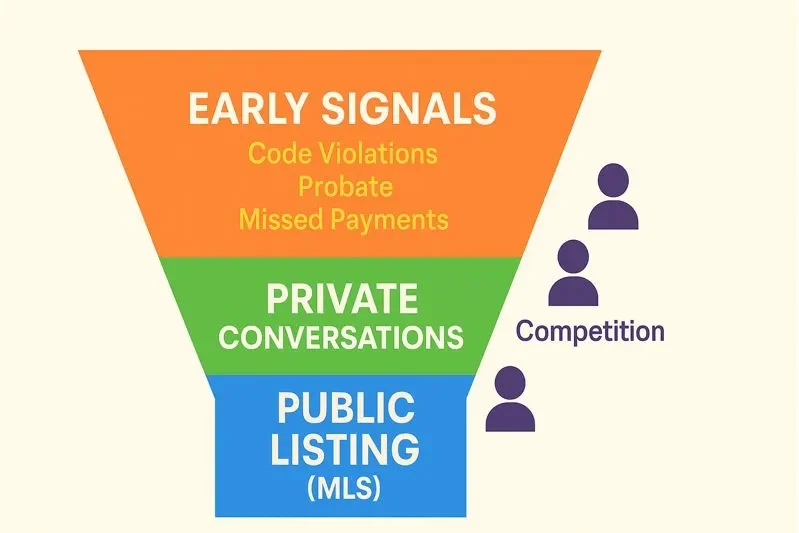
Once a property is listed publicly, it’s no longer a secret. It’s exposed to thousands of buyers, dozens of agents, and algorithms designed to maximize price, not value. By the time you see it, the margin has already been competed away. This is the same dynamic I break down in off market deal method, where I explain why real leverage exists before listings ever go live.
Off-market deals exist in a quieter part of the market. They come from timing, motivation, and direct access, not alerts and saved searches. Understanding that difference is what separates investors who chase deals from those who consistently create them.
The goal isn’t to “hack” the system. It’s to understand where opportunity actually forms, and position yourself there early.
What “Off Market” Really Means (And What It Doesn’t)
Off-market simply means a property is not listed on the multiple listing service. That’s it. It doesn’t automatically mean distressed, cheap, or desperate. It just means the seller hasn’t put the property into the public auction environment of the MLS.
This is where people get confused. Off-market does not mean illegal, shady, or under the table. It also doesn’t mean the seller is guaranteed to give you a discount. What it does mean is that you’re having a private conversation instead of participating in a bidding war.
In many cases, off-market sellers value certainty, speed, or simplicity more than squeezing out every last dollar. That tradeoff is where opportunity lives.
It’s also important to understand what off-market is not. It’s not knocking on random doors hoping someone sells you their house for pennies. It’s not sending one postcard and expecting miracles. And it’s not a shortcut if you don’t understand numbers.
Off-market deals reward patience and consistency, not urgency.
Why MLS Competition Kills Margins
The MLS is designed to do one thing extremely well. Create maximum exposure. That’s great for sellers. It’s brutal for buyers trying to find value.
When a property hits the MLS, it’s instantly blasted to every major real estate platform. Agents set showings. Buyers line up. Investors sharpen pencils. The price is pushed by competition, not fundamentals.
Even properties that look like “deals” on paper usually aren’t once you factor in bidding wars, waived contingencies, and emotional buyers stretching numbers. That pressure compresses margins fast.
In contrast, off-market conversations are slower and quieter. There’s no countdown clock. No highest-and-best deadline. No emotional escalation. You’re negotiating directly with a human, not a market.
That difference alone can mean the spread between a thin deal and a great one.
Who This Guide Is For (Beginners vs Serious Investors)
This guide is written for two types of people.
First, beginners who feel like every decent property is already gone by the time they see it. If you’re tired of losing offers or overpaying just to “get in,” off-market strategies help you change where you look instead of trying harder in the same place.
Second, serious investors who already understand numbers and execution but want better deal flow. At scale, the MLS becomes a liability. You need proprietary access, not public inventory.
What this guide is not for is someone looking for a magic script or overnight results. Finding off-market properties is a process, not a trick.
If you’re willing to think long-term and operate where most people won’t, this approach changes everything.
What Off Market Properties Are (In Plain English)
Off market properties are homes that are available for sale but not publicly listed on the MLS. That’s the simplest way to say it, and it’s the definition most people overcomplicate. If you’re trying to understand how to find off market properties, this baseline matters because everything else builds on it.
These deals live outside public search feeds. No listing pages. No open houses. No bidding wars triggered by exposure. They exist because of seller preference, timing, or circumstance, not because they’re hidden in some secret database.
Once you understand why these properties exist, finding them starts to feel a lot more logical.
Definition of Off Market Properties
An off market property is any property that is not actively listed on the multiple listing service. It can still be legally sold, financed, inspected, and closed like any other transaction.
Some off market properties are sold privately between individuals. Others are quietly marketed through agents, wholesalers, attorneys, or direct outreach. The common thread is that the seller has chosen not to expose the property to the open market.
That decision changes the dynamic of the deal. Price discovery happens through conversation instead of competition. Terms matter more than speed. And leverage shifts away from whoever shows up last with the highest offer.
Off market doesn’t mean invisible. It just means selective.
Why Sellers Go Off Market Instead of Listing
Most sellers don’t wake up wanting to “test the market.” They want a solution to a specific problem. Privacy. Speed. Certainty. Less disruption.
Some don’t want strangers walking through their house. Others don’t want neighbors knowing they’re selling. Some are dealing with timing issues, inherited properties, tenants, or repairs they don’t want to address publicly.
Listing exposes everything. Days on market. Price reductions. Failed contracts. Off market keeps control in the seller’s hands.
When you approach sellers in this context, you’re not competing on price alone. You’re offering relief from friction.
Common Myths About Off Market Deals
The biggest myth is that off market automatically means cheap. It doesn’t. A seller can still want full value, especially if there’s no urgency.
Another misconception is that off market deals are shady or unethical. In reality, private transactions happen every day across all price points. The process is normal. The marketing isn’t.
There’s also the belief that off market deals are only for seasoned investors. Beginners can absolutely find them, but they require consistency and comfort with outreach.
Off market isn’t easier. It’s just different. And for the right buyer, different is where the edge lives.
Why Off Market Properties Give You an Edge

Less Competition = More Leverage
Off market properties give you leverage because you’re not competing against the entire market. There’s no flood of showings, no offer deadlines, and no emotional buyers pushing prices beyond reality.
When a seller only has one or two serious conversations instead of twenty, the power dynamic changes. You’re no longer trying to win. You’re trying to solve a problem. That shift alone creates room to negotiate price, terms, or timing without the pressure cooker environment of the MLS.
Leverage doesn’t come from being aggressive. It comes from being early and being alone.
Better Pricing and Flexible Terms
Price is only one lever in a deal, but the MLS forces everything to revolve around it. Off market deals open the door to flexibility that public listings rarely allow.
Sellers may care more about certainty than top dollar. Others want a rent-back, a delayed closing, or relief from repairs. Those variables don’t fit neatly into a listing description, but they matter deeply to the person selling.
When you’re off market, you can structure solutions instead of submitting numbers. That’s where better deals are actually made.
Why Speed and Outreach Matter More Than Capital
Most people assume off market deals favor buyers with the most cash. In reality, they favor buyers who move first and follow up consistently.
Speed matters because sellers exploring off market options are often in a decision window. They’re not browsing. They’re considering action. The buyer who responds quickly and clearly stands out immediately.
Outreach matters because off market inventory doesn’t announce itself. You create access by showing up repeatedly and professionally, not by waiting for alerts.
Capital helps. Access compounds.
When Off Market Makes Sense (And When It Doesn’t)
Off market strategies make the most sense when you value margin, control, and deal quality. They shine in competitive markets where listed inventory is picked over and overpriced.
They matter less when inventory is high and demand is weak. In those environments, the MLS may already offer discounts without the extra work.
The key is knowing why you’re going off market in the first place. If you’re doing it to avoid competition and create leverage, you’re using it correctly.
The Psychology of Finding Deals Before Others
Why Most Investors Start Too Late
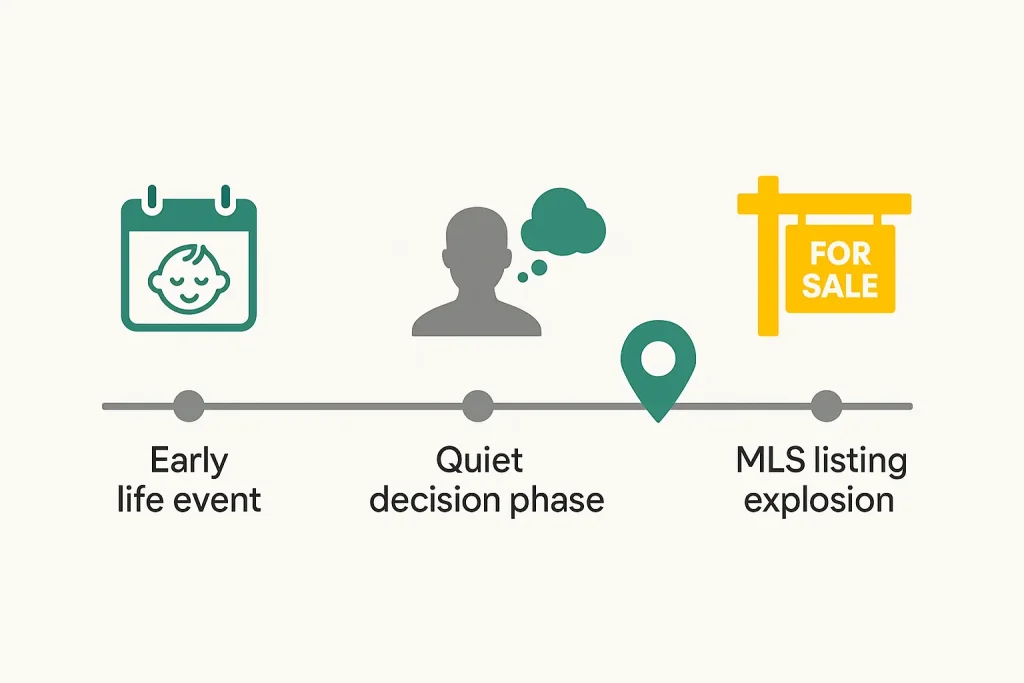
Most investors don’t miss deals because they’re bad at analyzing numbers. They miss them because they show up after the decision has already been made.
By the time a property is listed, the seller has committed to a path. They’ve talked to agents. They’ve anchored to a price. They’re prepared for competition. At that point, you’re reacting, not influencing.
Off market opportunities happen earlier in the decision cycle. That’s uncomfortable for most people. It requires initiating conversations before there’s certainty on either side.
Waiting feels safer. Starting early is what actually creates the edge.
How Timing Beats Talent in Off Market Sourcing
You don’t need to be the smartest investor in the room to win off market deals. You need to be present at the right moment.
Timing matters because seller motivation isn’t static. Life events, stress, and deadlines shift priorities fast. The investor who reaches out during that window looks like a solution, even if their offer isn’t perfect.
This is why consistency beats intensity. A simple system run over months will outperform sporadic bursts of effort backed by skill.
Talent helps you execute. Timing determines whether you ever get the chance.
Thinking in Systems Instead of “Deal Hunting”
Deal hunting is reactive. You search, you scroll, you wait. Systems are proactive. They create predictable exposure to opportunities over time.
Off market sourcing works best when you remove emotion from the process. Set outreach rules. Track follow-ups. Let volume and repetition do the work.
When you think in systems, rejection stops feeling personal. It becomes data. Every “not right now” is future inventory.
The investors who consistently find deals aren’t luckier. They’re more methodical.
The Most Reliable Ways to Find Off Market Properties
There are many ways to find off market properties, but only a few work consistently over time. The difference usually comes down to whether the strategy creates repeatable access or just occasional luck.
At a high level, all off market deal flow comes from one of four places. Direct owner outreach. Public records tied to distress or life events. Relationships that surface deals quietly. And data-driven techniques that scale visibility without public listings.
Each method works for a different reason. Understanding why they work matters more than memorizing tactics.
Direct to Owner Outreach
Direct outreach is the most straightforward path to off market deals. You identify a property or owner, start a conversation, and see if there’s a problem you can help solve.
This can look like letters, calls, texts, door knocking, or even casual conversations when done correctly. The medium matters less than the approach. Respectful, clear, and consistent outreach beats clever scripts every time.
The advantage here is control. You choose who to contact, when to follow up, and how to position yourself. The downside is effort. This method rewards people willing to do unglamorous work repeatedly.
Direct outreach doesn’t create instant wins. It creates first access.
Public Record and Distress-Based Leads
Public records reveal moments when owners are more likely to consider selling. Tax delinquency, probate, divorce filings, code violations, and pre-foreclosure notices all signal potential motivation.
These leads aren’t guarantees. They’re indicators. The real value comes from combining data with timing and empathy.
Most investors fail here because they treat distress like a discount instead of a situation. When you approach these owners as a solution instead of a buyer, conversations open up faster.
This method works because it aligns outreach with life events, not market noise.
Relationship-Driven Deal Flow
Some of the best off market deals never come from marketing at all. They come from people.
Agents, attorneys, wholesalers, property managers, contractors, and other investors all see opportunities before the public does. If you’re top of mind and easy to work with, deals get passed quietly.
This takes time. You don’t build relationship-driven deal flow by asking for deals. You build it by being reliable, responsive, and fair when opportunities arise.
Once this channel is active, it compounds. One relationship often leads to five more.
Digital and Data-Driven Techniques
Data-driven sourcing uses technology to surface off market opportunities at scale. This includes property databases, ownership filters, vacancy indicators, and behavior-based signals.
The advantage is leverage. You can analyze thousands of properties without driving neighborhoods or pulling records manually. The risk is over-reliance on tools without context.
Data points don’t replace conversations. They prioritize them.
When used correctly, digital techniques act as a force multiplier for outreach and follow-up. They don’t replace fundamentals. They accelerate them.
Direct Outreach Methods That Still Work

Direct outreach still works because it creates contact where there is none. These methods aren’t new, but they remain effective for one reason: most people quit before consistency compounds.
If you’re learning how to find off market properties, this is where theory turns into action. The key isn’t creativity. It’s repetition with intention.
Driving for Dollars
Driving for dollars is exactly what it sounds like. You drive neighborhoods looking for properties that signal neglect, vacancy, or transition.
This works because it bypasses filters and algorithms entirely. You’re seeing what data often misses. Subtle signs. Patterns on the same block. Houses no one is marketing but everyone notices.
The edge here comes from observation, not speed. One good street can outperform a thousand random leads.
How to Spot Distressed or Neglected Properties
Distress doesn’t always look dramatic. Sometimes it’s just deferred maintenance stacked over time.
Look for overgrown landscaping, peeling paint, boarded or broken windows, piled mail, tarped roofs, or consistently dark homes. Pay attention to properties that stand out for the wrong reasons.
Context matters. One neglected home in an otherwise clean neighborhood is often more interesting than an entire distressed block.
You’re not judging the property. You’re identifying change.
What to Track (And What to Ignore)
Track addresses, owner names, mailing addresses, and notes about condition or patterns. Keep it simple and consistent.
Ignore cosmetic opinions and emotional assumptions. You don’t need to guess the story. You need accurate contact information and follow-up discipline.
Most people fail here by collecting too much data and never acting on it. Fewer leads with better follow-up win every time.
Direct Mail (Letters & Postcards)
Direct mail works because it’s personal and interruptive without being invasive. When done right, it creates familiarity before a conversation ever happens.
Mail allows you to reach owners who won’t answer calls or texts. It also gives them space to consider selling without pressure.
The power isn’t in volume alone. It’s in message clarity and repetition.
Why Handwritten Still Outperforms
Handwritten mail signals effort. It slows the reader down and breaks pattern recognition.
Most people can spot mass mail instantly. Handwritten notes feel different, even when they’re templated. That difference earns attention.
You don’t need perfection. You need authenticity and consistency.
How to Stand Out in a Crowded Mailbox
Standing out isn’t about flashy language. It’s about sounding human.
Short notes. Clear intent. No hype. Avoid phrases that scream investor or urgency. You’re starting a conversation, not pitching a deal.
The goal of mail isn’t to close. It’s to get a response.
Cold Calling & Texting
Cold calling and texting work when they feel normal. Most fail because they sound scripted, rushed, or deceptive.
A simple introduction and a clear reason for reaching out go further than clever wording. Transparency builds trust faster than persuasion.
These methods reward calm delivery and follow-up more than charisma.
How to Reach Owners Without Sounding Like a Scam
Say who you are. Say why you’re calling. Say how you got their information. Then stop talking.
Scams feel vague. Legitimate outreach feels specific.
If you wouldn’t say it to someone face-to-face, don’t say it over the phone.
Compliance Basics Beginners Miss
Most beginners overlook compliance until it becomes a problem. Do not call numbers on the Do Not Call registry without understanding exemptions. Get consent before texting when required.
Follow local, state, and federal regulations. Ignorance isn’t protection.
Compliance isn’t just about avoiding fines. It’s about operating professionally and sustainably.
Direct outreach works best when it’s boring, consistent, and ethical. That’s why it still works.
Public Records Most Investors Overlook
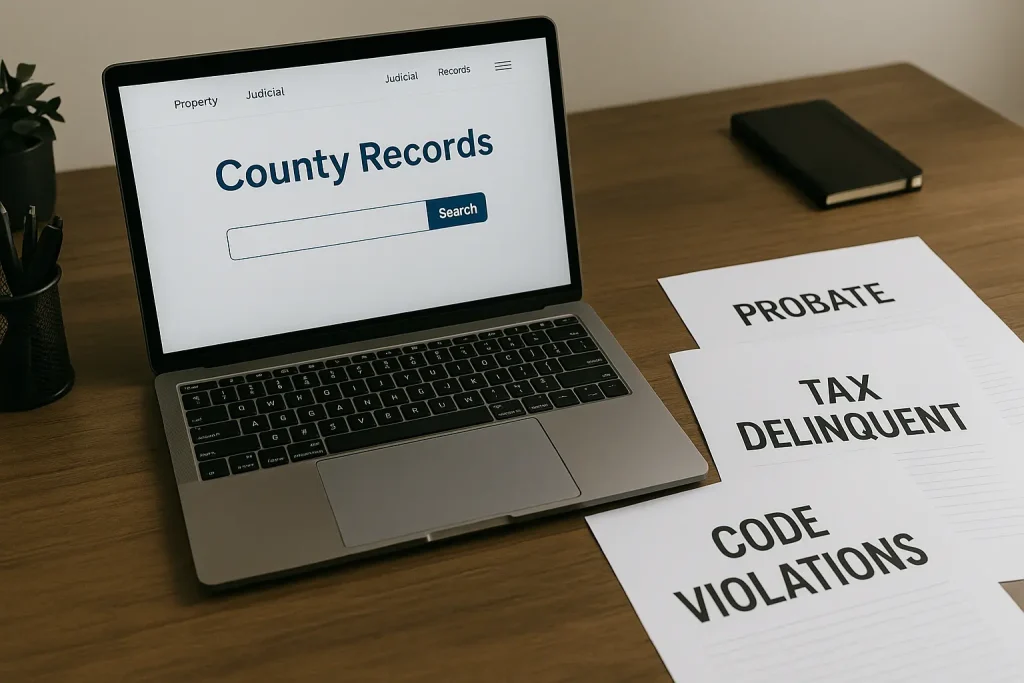
Public records are one of the quietest sources of off market opportunities. They’re not hidden, but they are ignored. Most investors know they exist. Very few build systems around them.
These records matter because they surface change. Ownership transitions. Financial pressure. Administrative friction. If you understand how to read them, they point you toward conversations that haven’t happened yet.
Probate and Inheritance Properties
Probate records signal a change in ownership before a property ever hits the market. Heirs often inherit houses they don’t want, don’t live near, or don’t know how to manage.
Time is usually the real factor here. Estates take months to settle, and carrying costs add up quietly. Many heirs prioritize simplicity over maximizing price.
Approached correctly, probate conversations are about options, not urgency. Respect matters more than speed, and patience creates access.
Tax Delinquent and Lien Lists
Tax delinquency rarely starts as a selling decision. It starts as a missed payment that snowballs.
Owners behind on taxes often feel stuck. Penalties grow. Notices escalate. Stress builds. Selling isn’t always the first thought, but relief often is.
These lists work because they identify financial pressure early. Not every owner will sell, but the ones who do tend to be decisive once they engage.
Pre-Foreclosures and Notices of Default
Pre-foreclosure records mark the point where time becomes visible. A notice of default doesn’t mean a house is lost, but it does mean options are narrowing.
Some owners want to catch up. Others want out. The opportunity lies in reaching them before banks and attorneys fully take over the process.
Speed matters here, but so does clarity. These owners are overwhelmed. Simple conversations outperform complex pitches.
Code Violations and Municipal Complaints
Code violations indicate friction with local authorities. Uncut grass, structural issues, or safety complaints often point to absentee owners or properties slipping through the cracks.
Many owners don’t want to invest more money just to satisfy the city. Fines and deadlines push decisions forward.
These records are effective because they highlight properties that feel like burdens instead of assets.
Evictions and Tired Landlords
Eviction filings and landlord-tenant disputes reveal fatigue. Not every landlord wants to scale. Some just want out.
Problem tenants, rising maintenance costs, and regulatory pressure wear people down over time. Selling becomes a way to simplify life, not maximize returns.
These leads work best when you understand the emotional side of ownership. You’re not buying a property. You’re buying someone’s exit.
Public records don’t create deals on their own. They create timing. The investor who acts early and consistently is the one who benefits.
Skip Tracing & Owner Research
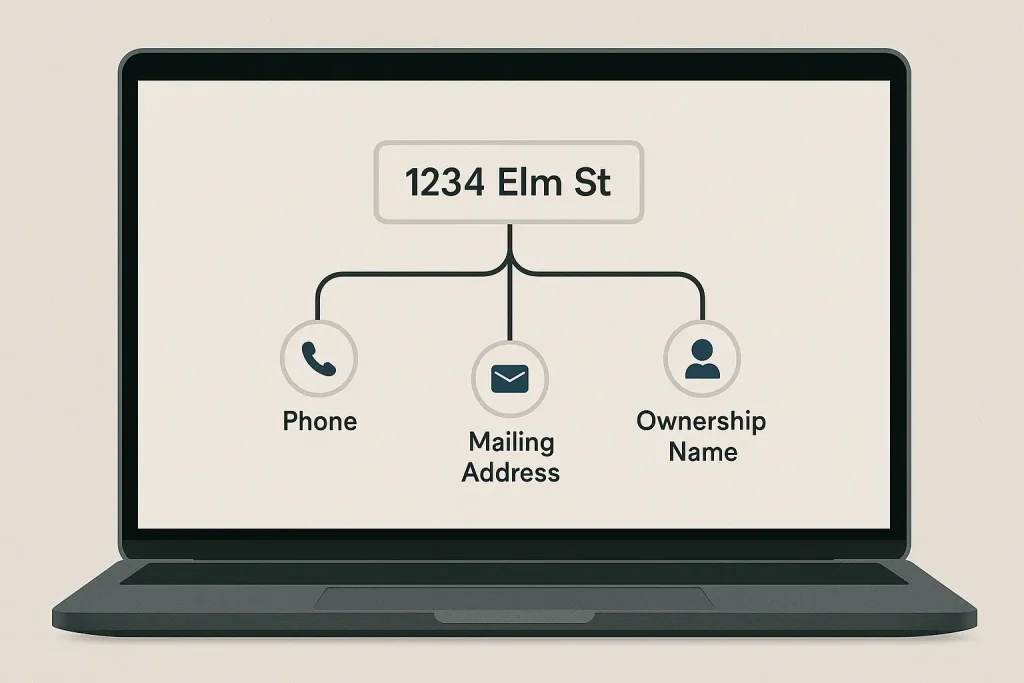
Finding off market properties only works if you can actually reach the owner. That’s where most people break down. They identify a lead, then hit a wall trying to make contact.
Skip tracing and owner research bridge that gap. Done right, they turn addresses into conversations. Done poorly, they burn leads before you ever get a real chance.
What Skip Tracing Is and Why It Matters
Skip tracing is the process of locating accurate contact information for a property owner. Phone numbers. Mailing addresses. Sometimes email. The goal is simple: connect the property to a real person you can talk to.
This matters because off market deals don’t announce themselves. If you can’t reach the owner, the lead is dead no matter how motivated they are.
Good skip tracing increases response rates. Bad skip tracing creates noise, frustration, and spam complaints.
Access is useless without accuracy.
Free vs Paid Skip Tracing Options
Free skip tracing exists, but it comes with tradeoffs. County records, property appraiser sites, and basic people-search tools can get you part of the way there.
Paid services aggregate more data and update it more frequently. That usually means better phone numbers and fewer dead ends, especially for absentee owners or LLCs.
The decision isn’t free versus paid. It’s volume versus precision. If you’re working a small list, free tools can be enough. At scale, paid data saves time and preserves credibility.
Bad data costs more than good data ever will.
How to Verify Owner Info Before Outreach
Verification is where most beginners rush. They pull a number and start dialing without confirming anything.
Cross-check ownership records. Match names to addresses. Look for consistency across sources. If something feels off, it probably is.
Even basic verification reduces wrong numbers, angry responses, and instant blocks. It also makes your outreach sound informed instead of random.
Confidence comes from knowing who you’re calling and why.
Mistakes That Get Your Number Blocked
The fastest way to get blocked is sounding vague or deceptive. Another is calling the same wrong number repeatedly because you didn’t verify it.
Texting without context, calling too frequently, or refusing to identify yourself all raise red flags. People don’t mind being contacted. They mind feeling tricked.
Off market outreach is fragile. You often only get one clean first impression.
Treat contact information like an asset. Protect it, verify it, and use it with intention.
Networking Your Way Into Off Market Deals

Some off market deals never come from outreach or data. They come from people who see opportunities before anyone else does.
Networking works when it’s built on trust and reliability, not asking for favors. The goal isn’t to be everyone’s best friend. It’s to be the person they think of when a deal doesn’t fit the open market.
Real Estate Agents (How to Get “First Call”)
Agents hear about deals before they’re listed. Expired listings. Sellers testing price. Properties that need work. Most of those never make it to the MLS if there’s a clean solution.
To get first call, you have to make the agent’s life easier. Clear criteria. Fast feedback. No drama.
Agents remember buyers who close and forget the ones who waste time. If you consistently perform, they’ll quietly route opportunities your way.
First call is earned, not requested.
Wholesalers (And How to Avoid Junk Deals)
Good wholesalers solve the hardest part of the business: finding motivated sellers. Bad ones just blast numbers and hope someone bites.
The difference shows up in the details. Solid photos. Transparent assumptions. Clean contracts. Realistic pricing.
Avoid wholesalers who rush, dodge questions, or can’t explain the deal. You’re not buying speed. You’re buying clarity.
A strong wholesaler relationship can feed your pipeline. A bad one drains it.
Attorneys, Probate Lawyers, and CPAs
Attorneys and CPAs sit closest to life events that trigger sales. Deaths. Divorces. Business closures. Tax issues.
They don’t market deals. They advise clients. When selling becomes the simplest option, they’re often the first call.
These relationships take patience. You build them by being professional, compliant, and helpful without pushing. One solid referral from this channel can outperform months of marketing.
Property Managers and Contractors
Property managers and contractors see property problems up close. Deferred maintenance. Burned-out landlords. Projects that went sideways.
They know who’s frustrated before anyone else does. If they trust you, they’ll mention your name when owners ask what to do next.
The key is alignment. Pay on time. Communicate clearly. Don’t make them chase you.
When people enjoy working with you, opportunities follow.
Networking doesn’t replace outreach. It multiplies it. The strongest deal flow comes from being visible, reliable, and easy to work with across the entire ecosystem.
What to Say Once You Find the Owner

Finding the owner is only half the job. What you say next determines whether the door opens or slams shut.
Off market conversations work when they feel normal. Not salesy. Not urgent. Just clear and respectful. Most deals die here because people try too hard instead of sounding human.
Simple, Low-Pressure Outreach Scripts
The best outreach scripts don’t sound like scripts at all. They’re short, direct, and easy to respond to.
A simple introduction, your reason for reaching out, and a question is enough. You’re not pitching a deal. You’re checking interest.
If someone wants to talk, they’ll engage. If they don’t, no amount of clever wording will change that.
Clarity beats persuasion every time.
How to Open the Conversation
Open with context. Who you are. Why you’re calling. Why them.
Specificity builds trust fast. Mention the property address. Acknowledge that it’s unexpected. Then pause.
People don’t mind being contacted. They mind being confused. When you remove uncertainty, defensiveness drops.
The goal of the opening is not to sell. It’s to earn permission to keep talking.
What Not to Say (And Why Deals Die Here)
Avoid urgency. Avoid hype. Avoid pretending you’re not an investor if you are.
Statements like “I can close tomorrow” or “this is a great opportunity” raise guard instantly. So does dancing around your intent.
Deals die when owners feel manipulated or rushed. Transparency keeps conversations alive even when the answer is no.
Trust is the real currency here.
Following Up Without Being Annoying
Most off market deals come from follow-up, not first contact. Timing rarely lines up on the first try.
Good follow-up is spaced, polite, and consistent. It acknowledges past conversations without pressure.
If someone says not right now, believe them. Check back later. Life changes faster than people expect.
Persistence works when it’s respectful. Annoyance kills future access.
The best conversations feel unfinished, not forced.
How to Build a Repeatable Off Market System
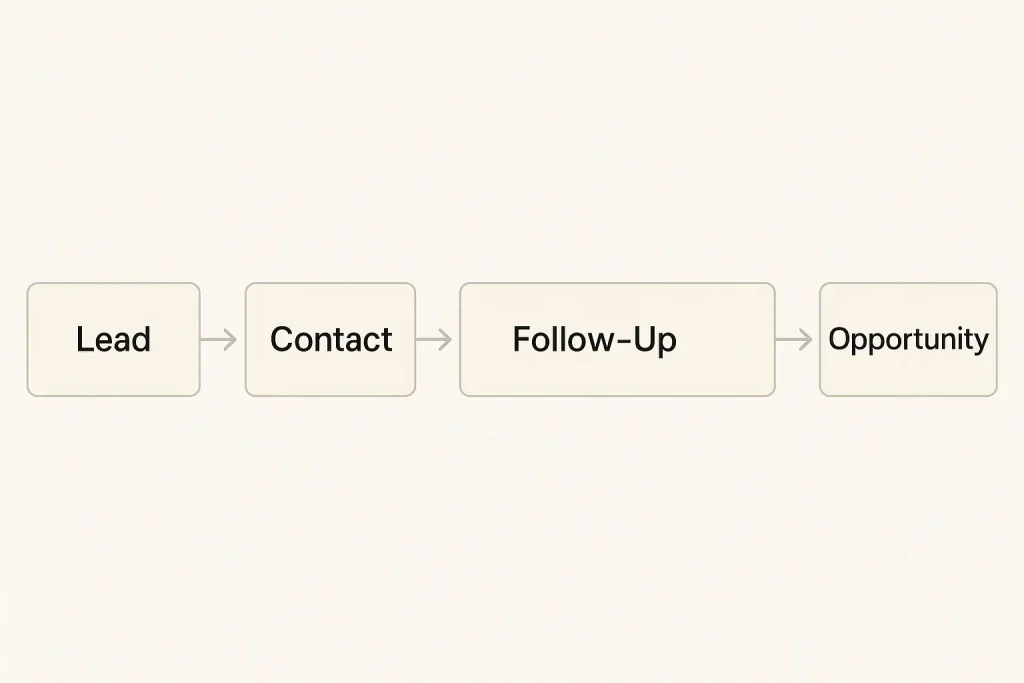
Finding one off market deal is luck. Finding them consistently is a system.
Most people fail here because they treat sourcing like a sprint instead of an operating process. The goal isn’t to touch everything. It’s to build something you can actually sustain.
Choosing 1–2 Channels Instead of All of Them
There are dozens of ways to find off market properties. Trying to do all of them guarantees you won’t do any of them well.
Pick one or two channels that fit your personality and schedule. Direct mail. Driving for dollars. Agent relationships. It doesn’t matter which, as long as you can show up consistently.
Depth beats breadth early. Mastery comes from repetition, not variety.
Tracking Leads and Follow-Ups
A lead without follow-up is just a missed opportunity with extra steps.
You need a simple way to track who you contacted, when, and what was said. It doesn’t have to be fancy. It just has to be reliable.
Most deals happen after the first “no.” Tracking turns rejection into future inventory.
Why Consistency Beats Volume
Volume feels productive. Consistency actually produces results.
Ten letters every week for six months will outperform a thousand sent once. The same is true for calls, texts, or follow-ups.
Off market sourcing works on delayed payoff. The people you contact today may not sell until months later.
Consistency creates inevitability.
Scaling Once Results Show Up
Only scale what’s already working. Adding volume before proof just amplifies inefficiency.
Once you see responses, patterns, or deals, then you add tools, automation, or help. Scale the channel, not the chaos.
A system that works small will work bigger. A broken one just breaks faster.
Off market success isn’t about effort alone. It’s about building something that keeps working when motivation fades.
Common Mistakes That Kill Off Market Deals
Off market deals don’t fail because the strategy doesn’t work. They fail because of avoidable mistakes made after contact is established.
Most of these errors come from impatience, not ignorance. Knowing what to avoid is just as important as knowing what to do.
Chasing Every Lead
Not every lead is a deal, and not every conversation deserves pursuit.
Chasing everything spreads attention thin and creates desperation. Sellers feel that immediately. When you don’t have standards, negotiations drift toward their terms, not yours.
Good off market investors qualify early and walk away often. Time spent on bad leads steals time from good ones.
Overpaying Just to “Win”
Winning the deal doesn’t mean winning financially.
Overpaying off market usually comes from emotional attachment or fear of missing out. The irony is that off market access is meant to create margin, not eliminate it.
If the numbers don’t work privately, they won’t magically work after closing. Discipline protects you from deals that look good but feel tight.
Ignoring Seller Motivation
Price matters, but motivation matters more.
Sellers don’t go off market randomly. Something pushed them there. If you ignore that reason, you miss the leverage in the deal.
Listening often reveals more value than negotiating. Motivation shapes timing, terms, and flexibility in ways price never can.
Quitting Too Early
Most off market strategies fail right before they start working.
The gap between effort and results is longer than people expect. That delay causes most beginners to stop right before follow-ups turn into opportunities.
Off market sourcing is slow until it isn’t. The people who win are the ones still showing up when others disappear.
Mistakes don’t ruin deals. Repeating them does.
Finding Off Market Properties Still Worth It?
Finding off market properties is harder than it used to be. That doesn’t mean it’s broken. It means the bar is higher.
The strategies still work, but they punish shortcuts. If you’re approaching this casually, the market will expose that quickly.
What’s Changed in Today’s Market
More investors are chasing the same idea. Data is cheaper. Tools are better. Outreach is louder.
Sellers are also more informed. They’ve received mail. They’ve gotten texts. They know what investors want.
What’s changed isn’t the opportunity. It’s the tolerance for sloppy execution. Precision, timing, and professionalism matter more now than ever.
Why Off Market Isn’t Dead — Just Misunderstood
Off market sourcing isn’t about secrecy or gimmicks. It’s about access before decisions harden.
People declare it dead because they expect fast results. They confuse slow feedback with failure.
The reality is simple. Off market deals still happen every day. They just go to the people who treat the process like a business instead of a hack.
Misunderstanding kills momentum faster than competition ever will.
Who Should (And Shouldn’t) Pursue This Strategy
Off market makes sense for buyers who value margin, control, and long-term deal flow. It rewards patience, follow-up, and consistency.
It’s a poor fit for anyone looking for instant gratification or unwilling to have conversations that don’t immediately convert.
If you want leverage instead of speed, off market is worth it. If you want convenience, the MLS will always be there.
The strategy hasn’t changed. The commitment required has.
The Real Advantage Most People Miss

Off Market Is About Effort, Not Secrets
The biggest misconception about off market deals is that there’s some hidden tactic most people don’t know. There isn’t.
The advantage comes from effort applied consistently in places others avoid. Outreach that feels repetitive. Follow-ups that feel boring. Conversations that don’t lead anywhere until they suddenly do.
Most people aren’t losing because they lack information. They’re losing because they won’t stay in the game long enough for effort to compound.
Off market rewards patience more than cleverness.
Why Starting Now Matters More Than Perfect Strategy
Waiting for the perfect plan is just another way to delay action.
Every week you don’t start is a week of lost timing. Seller situations evolve. Life events stack up. The best moments to connect happen whether you’re ready or not.
You don’t need to optimize first. You need to begin. Clarity shows up after contact, not before it.
Momentum beats mastery early.
One Simple Next Step to Take Today
Pick one channel. Just one.
Pull a small list. Ten properties. Ten owners. Then take action without trying to make it perfect. One letter. One call. One conversation.
Off market success isn’t built in a day. But it does start in one.
And the people who start now are the ones others call “lucky” later.