Why “Pending” Confuses So Many Homebuyers
You find a home that finally makes sense. The price works. The layout works. You click into the listing, ready to send it to your agent, and then you see the word pending. That moment is usually followed by a quick search for what does pending mean in real estate, because the answer is never as obvious as it should be.
Pending creates a strange emotional split for buyers. Some people assume the house is gone forever and mentally check out too early. Others do the opposite and hold onto hope that the deal will fall apart, refreshing listings and second guessing their next move. This confusion is common when buyers are relying on surface level listing information instead of understanding how deals actually move behind the scenes, the same way serious investors rely on real estate investing tools to spot opportunities before they become obvious.
The problem is that pending sounds final, even though it is not. It sits in an awkward middle ground where a deal exists on paper, but real obstacles still remain. Without context, buyers either overreact or freeze, and neither leads to good outcomes.
This article is meant to clear that fog. You will learn exactly what pending means, how close a deal really is, and what your smartest next move looks like as a buyer. The goal is clarity first, then action.
What Does “Pending” Mean in Real Estate? (Simple Definition)
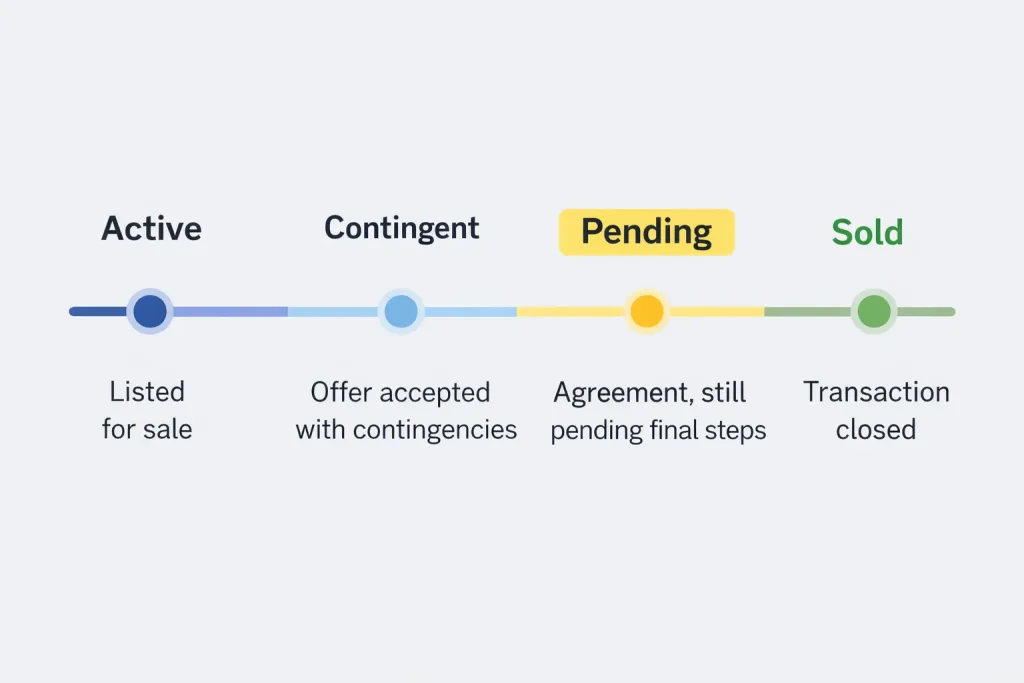
Pending means the seller has accepted an offer and the home is officially under contract, but the sale is not finished yet. The transaction is moving forward, but ownership has not changed hands.
In plain terms, both sides have agreed to the deal and signed the paperwork. The seller is no longer actively marketing the home, and the buyer now has contractual rights to move through the rest of the process. This is why showings usually stop once a listing goes pending.
What Has Already Happened
An offer has been submitted, negotiated if necessary, and accepted by the seller. The contract has been signed by both parties, and earnest money is typically deposited to show the buyer’s commitment.
At this point, the seller is no longer shopping the property publicly. The deal has structure, timelines, and legal weight behind it.
What Has Not Happened Yet
The sale has not closed. The buyer does not own the home, and the seller has not received the proceeds.
Inspections, appraisal, financing approval, and final walkthroughs usually still lie ahead. Until those steps are completed and documents are recorded, the transaction remains unfinished.
The important distinction for buyers is this. Pending reflects agreement, not completion.
Is a Pending Home Basically Sold?

Almost, but not guaranteed. A pending home is under contract, yet several critical steps still stand between the buyer and actual ownership.
At this stage, the deal has momentum, but momentum is not certainty. Understanding what is still outstanding explains why some pending homes quietly fall apart while others close without drama.
Inspections Are Still Pending
Most pending deals include an inspection contingency. That means the buyer can still walk away or renegotiate if major issues are discovered.
Roof problems, foundation concerns, old HVAC systems, or hidden moisture issues routinely surface during inspections. When repair costs exceed expectations or sellers refuse concessions, deals collapse fast. This is one of the most common reasons a pending home returns to the market.
The key takeaway for buyers is simple. Pending does not mean problems have been cleared. It often means they have not been uncovered yet.
The Appraisal Can Still Kill the Deal
A lender will not finance more than a home is worth on paper. If the appraisal comes in below the agreed price, the math breaks.
At that point, the buyer must bring extra cash, the seller must reduce the price, or the deal dies. In markets where prices rose quickly or listings were aggressively priced, appraisal gaps are common.
This is why pending homes are not guarantees. Financing is tied to value, not optimism.
Financing Approval Is Not Final Yet
Pre approval is not the same as final approval. Buyers can still be denied during underwriting for changes in credit, income, or debt.
Job changes, new loans, large purchases, or documentation issues can all surface late. Lenders are conservative by design, and they can pull the plug even after a contract is signed.
From a buyer’s perspective, pending simply means the lender is still deciding.
The Final Walkthrough Is Still Ahead
The final walkthrough confirms the property’s condition before closing. It is meant to ensure repairs were completed and no damage occurred.
If the home is not in the agreed condition, closing can be delayed or renegotiated. While less common, walkthrough issues still derail deals, especially when sellers move out early or properties sit vacant.
The broader implication is clear. A pending home is close, but close is not closed.
Can You Still Make an Offer on a Pending Home?
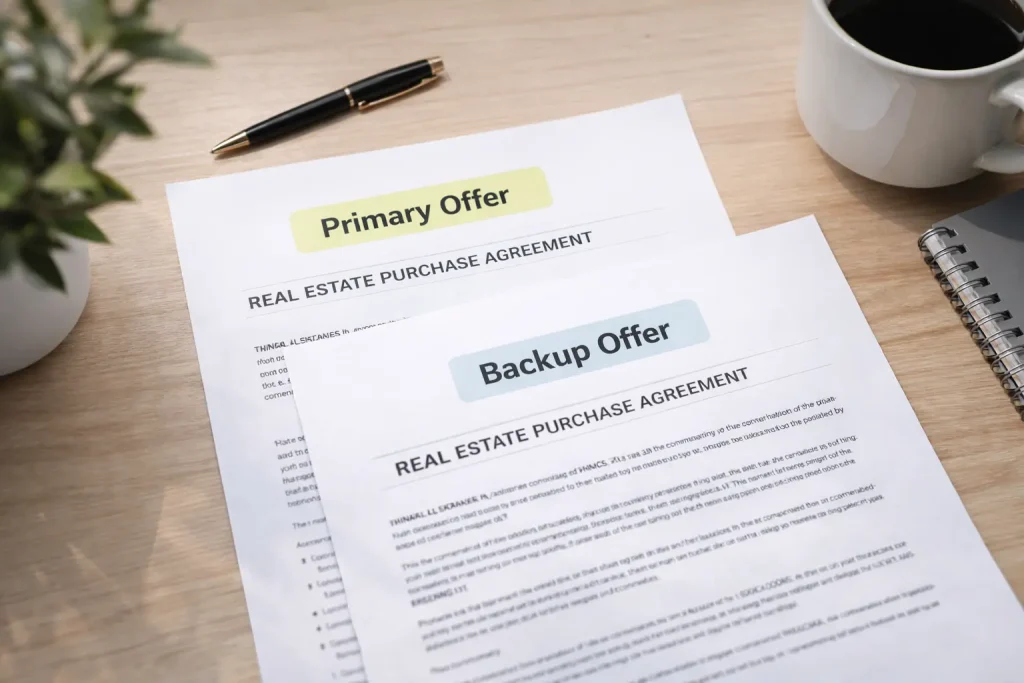
Yes, sometimes you can. Even though a home is pending, buyers are often still allowed to submit what is called a backup offer.
A backup offer is exactly what it sounds like. It is an offer that only becomes active if the current deal falls apart. You are not competing head to head in real time, but you are positioning yourself next in line.
What a Backup Offer Actually Means
A backup offer is fully negotiated and signed, just like a normal contract. The difference is timing.
It does not take effect unless the first buyer cancels or fails to close. Until that happens, you are essentially on standby. Your offer exists, but it does not control the transaction.
For buyers, this can feel passive. In reality, it is a way to stay in the game without chasing listings blindly.
When Sellers Accept Backup Offers
Sellers are more likely to accept backup offers when they sense risk in the primary deal. This could be due to financing concerns, inspection complexity, or appraisal uncertainty.
Some sellers accept backup offers simply for peace of mind. Others use them as leverage if negotiations with the current buyer get tense. A strong backup offer reminds the seller they have options.
In slower or uncertain markets, backup offers are more common than most buyers realize.
Pros and Cons of Submitting a Backup Offer
The biggest advantage is positioning. If the first deal collapses, you may step in without competing against a flood of new buyers.
The downside is uncertainty. Your money and attention are tied up with no guarantee the deal ever becomes yours. Depending on how the contract is written, you may also be limited in making offers elsewhere.
This only makes sense when you are comfortable waiting and not emotionally attached to one outcome.
How Backup Offers Can Create Leverage Later
Backup offers can quietly shift the power dynamic. If the first buyer asks for excessive concessions, the seller knows they have a fallback.
In some cases, the seller may cancel the first contract altogether if your backup offer is cleaner or stronger. That does happen, even if it is not common.
For buyers who understand timing and risk, a backup offer is not desperation. It is a calculated move.
How Often Do Pending Deals Fall Through?
Pending deals fall through more often than most buyers expect. While many contracts do close, a noticeable percentage fail somewhere between acceptance and closing.
The exact number varies by market, price range, and financing type. The important takeaway is this. Pending does not mean guaranteed, and buyers who understand why deals collapse are better positioned to act when opportunities reopen.
Inspection Issues Are a Major Breakpoint
Inspections are one of the most common reasons a pending deal fails. Once inspectors start opening walls, climbing roofs, and checking crawl spaces, surprises happen.
Structural problems, aging systems, mold, or water damage can turn an acceptable home into a risky one overnight. If repair costs exceed what the buyer expected or the seller refuses concessions, the contract can unravel quickly.
This is especially common with older homes or properties that were cosmetically updated but not fully repaired.
Low Appraisals Kill Financing
A low appraisal creates an immediate problem. Lenders will not finance more than the appraised value, regardless of what the buyer agreed to pay.
When this happens, the buyer must bring additional cash, the seller must lower the price, or the deal falls apart. In many cases, neither side wants to move.
Low appraisals become more common when markets cool or when listings were aggressively priced during bidding wars.
Financing Denials Still Happen Late
Being under contract does not mean the loan is safe. Buyers can still be denied during underwriting.
Job changes, new debt, credit shifts, or missing documentation can all surface after an offer is accepted. Even strong buyers can hit issues if something changes during the process.
Financing risk is invisible from the outside, which is why some pending homes suddenly reappear.
Buyer Cold Feet Is Real
Sometimes the deal fails for simpler reasons. Buyers get overwhelmed.
Rising monthly payments, second thoughts after inspections, or fear of overpaying can cause buyers to walk away. Real estate is emotional, and not everyone is prepared for the commitment once it becomes real.
This happens more often in uncertain economic climates.
Why Pending Does Not Mean Gone Forever
Because so many variables remain unresolved, pending should never be read as final. Homes return to the market every day due to issues buyers never see.
Smart buyers monitor pending listings, especially ones that sit in that status longer than expected. Time often signals friction behind the scenes.
Market Conditions That Increase Fallout Rates
Fallout rates rise when interest rates are volatile, lending standards tighten, or prices outpace appraisals. Markets with low inventory but weakening demand also see more failed contracts.
In these environments, pending becomes a temporary pause, not an ending. Buyers who understand this stay alert instead of discouraged.
How Long Does a Home Stay Pending?
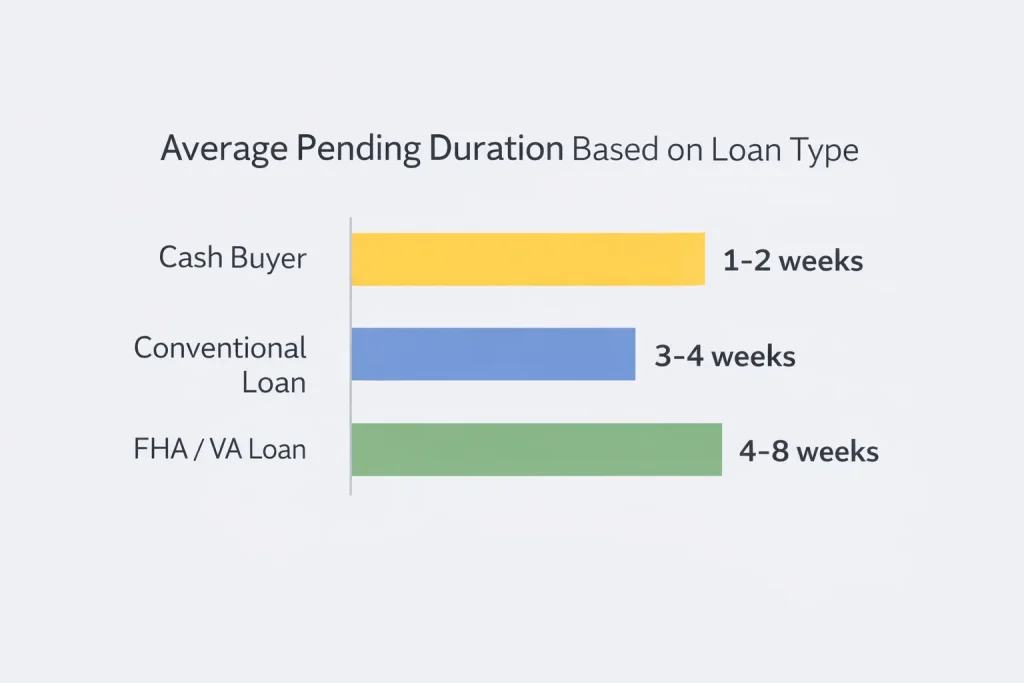
Most homes stay pending for a few weeks, but the exact timeline depends heavily on how the buyer is financing the purchase. Pending is not a fixed period. It stretches or compresses based on loan type, complexity, and how smoothly the transaction moves.
Understanding typical timelines helps buyers spot when something is normal versus when a deal may be struggling.
Typical Timeline for Cash Buyers
Cash purchases usually move the fastest. Many close in as little as two weeks.
Without a lender involved, there is no underwriting or appraisal requirement unless the buyer chooses to include one. Inspections may still occur, but fewer parties are involved, which reduces delays.
If a cash deal sits pending longer than expected, it can signal inspection disputes or title issues rather than financing.
Typical Timeline for Conventional Loans
Conventional loans tend to close in about 30 days, sometimes slightly longer.
This window allows time for inspections, appraisal, underwriting, and final loan approval. Delays often come from appraisal scheduling or documentation requests from the lender.
A pending period that drifts well past 30 days may indicate appraisal problems or financing complications.
Typical Timeline for FHA and VA Loans
FHA and VA loans usually take 30 to 45 days to close.
These loans involve stricter appraisal standards and additional checks, which can extend timelines. Repairs required by the appraiser can also delay progress if the seller is slow to respond.
Longer pending periods are more common with these loans and are not automatically a red flag.
Factors That Extend Pending Periods
Several issues can stretch a pending timeline. Appraisal delays, inspection negotiations, title defects, and lender backlogs are common causes.
Buyer contingencies tied to selling another home can also add time. In some cases, sellers agree to extended closings to accommodate relocation or timing needs.
Length alone does not mean trouble, but context matters.
Red Flags Buyers Should Watch For
Repeated extensions, unclear status updates, or a pending listing that quietly resets timelines can indicate friction. A deal that sits pending far longer than similar transactions in the area deserves attention.
For buyers watching from the sidelines, these situations often create second chances. When a pending deal lingers, it is usually for a reason.
What Buyers Should Do When a Home Goes Pending
When a home goes pending, buyers have to make a decision instead of reacting emotionally. The worst move is freezing or assuming the opportunity is permanently gone.
There are three practical paths forward. Which one makes sense depends on how strong your interest is and how competitive your market feels.
Option 1: Monitor the Listing
Sometimes the smartest move is to watch quietly.
Pending deals can fall apart without warning, and listings often reactivate before anyone advertises it. Monitoring means setting alerts, checking status changes, and staying ready to move quickly if the deal collapses.
This works best when the home is a strong fit but not the only option. You stay informed without committing energy or leverage too early.
Option 2: Submit a Backup Offer
A backup offer puts you next in line if the current deal fails.
This approach makes sense when the home fits your criteria unusually well or inventory is extremely tight. It positions you without forcing you into a bidding war or emotional urgency.
The key is discipline. A backup offer should be clean, well structured, and written so you can still pursue other homes if needed.
Option 3: Move On Strategically
Moving on does not mean forgetting the listing ever existed. It means continuing your search without anchoring your decision making to one outcome.
Buyers who fixate on a pending home often miss better opportunities that appear days later. Markets reward motion, not waiting.
Moving on strategically keeps your momentum while leaving the door open.
How to Detach Emotionally Without Losing Opportunity
Emotional attachment is what clouds judgment. The solution is optionality.
By monitoring the listing, submitting a backup offer, or staying active in the market, you reduce the emotional weight of any single home. You are informed, not invested.
Detachment does not mean apathy. It means flexibility.
Why Experienced Buyers Always Keep Shopping
Experienced buyers understand one truth. Until keys are in hand, nothing is final.
They keep touring homes, submitting offers, and evaluating options even when something looks promising. This mindset prevents desperation and strengthens negotiating power.
When a pending deal falls apart, the prepared buyer is already moving.
Signs a Pending Home Might Come Back on the Market
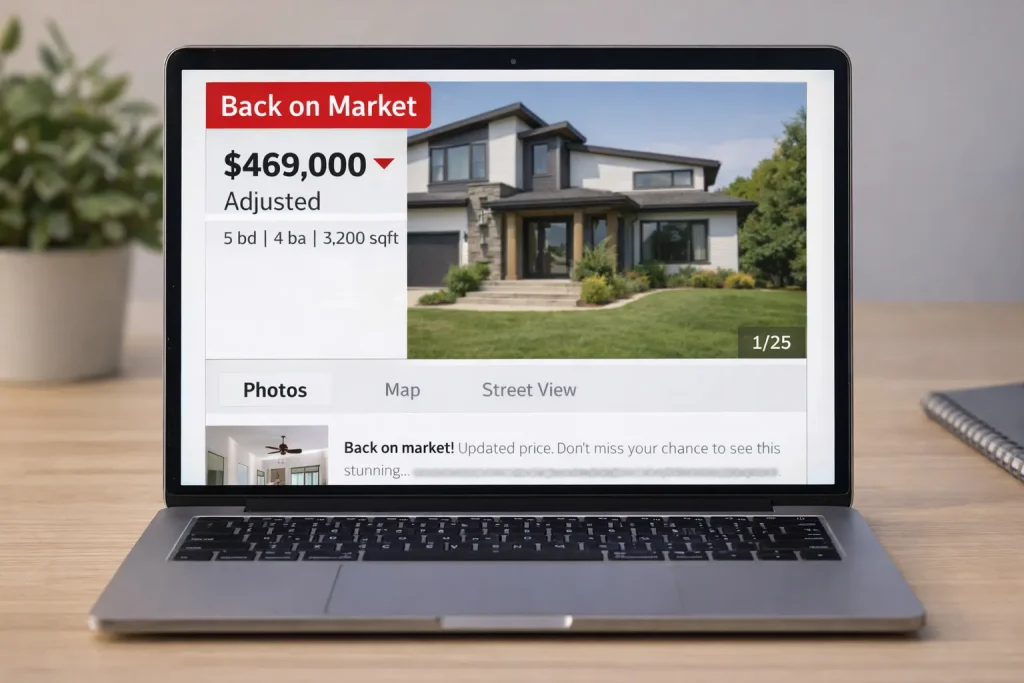
Some pending homes quietly disappear. Others quietly come back. Buyers who know what to watch for often spot second chances before everyone else notices.
These signals are not guarantees, but they are patterns that show up again and again in real transactions.
Status Changes Worth Paying Attention To
The most obvious sign is a direct status change from pending back to active. That usually means the contract was canceled outright.
More subtle changes matter too. A listing that shifts from pending to active under contract or temporarily off market often signals renegotiation trouble. These transitions usually happen fast and without explanation.
When a listing changes status more than once, it is rarely random.
Repeated Pending to Active Patterns
Homes that bounce between pending and active deserve attention.
This pattern often points to recurring issues like inspection failures, appraisal gaps, or financing problems tied to the property itself. Each failed deal gives the next buyer more information and sometimes more leverage.
If a home goes pending twice and comes back both times, sellers are usually more flexible the third time around.
Price Changes After a Deal Falls Through
Price adjustments after a pending deal collapses are a strong signal.
Sellers may lower the price to match a failed appraisal, attract stronger buyers, or regain momentum. In some cases, the price stays the same but concessions quietly increase.
For buyers, this is often the cleanest re entry point. The seller has already felt resistance from the market.
How to Set Alerts Correctly
Most buyers rely on basic alerts that only notify them of new listings. That is not enough.
You want alerts for status changes, price changes, and listings returning to active. These updates move faster than new listings and attract fewer buyers initially.
The advantage goes to the buyer who sees the change first, not the buyer who scrolls the most.
Should You Get Your Hopes Up Over a Pending Home?
You should stay aware, not emotionally invested. A pending home is information, not a promise.
Buyers get into trouble when they treat pending like an outcome instead of a data point. The goal is to stay rational while keeping optionality.
The Realistic Buyer Mindset
A realistic buyer assumes nothing is final until closing day.
That mindset removes urgency and replaces it with preparedness. You pay attention, you stay informed, and you keep moving forward without waiting for one result.
This is how buyers avoid emotional swings that lead to bad decisions.
Probability Versus Emotion
Every pending home carries a probability of closing, not a certainty.
Emotion tends to assign either zero percent or one hundred percent odds. Reality lives in the middle. Some pending deals will close smoothly. Others will not.
Strong buyers think in ranges and scenarios instead of stories they tell themselves.
How Strong Buyers Think in Competitive Markets
In competitive markets, strong buyers do not anchor to a single house.
They evaluate multiple paths at once. They submit offers, monitor pending listings, and continue touring homes without pausing their search.
This approach creates leverage and reduces stress because no single outcome controls their timeline.
Why Pending Homes Still Matter for Comps and Strategy
Pending listings still provide valuable signals.
They reflect what buyers are willing to pay right now, not months ago. They also hint at where appraisals may land and how aggressive or conservative pricing should be.
Even if you never buy that specific home, it still informs your strategy.
Final Thoughts for Buyers
Pending does not mean impossible. It simply means uncertain.
A home marked pending is in motion, not finished. Deals still fail, terms still change, and opportunities still reopen for buyers who are paying attention instead of assuming the door is closed.
Buyers who understand listing statuses tend to win more often because they make decisions based on reality, not assumptions. They know when to wait, when to step in, and when to move on without hesitation. That clarity creates better timing and stronger leverage.
The biggest advantage you can have as a buyer is staying proactive. Keep monitoring listings. Keep touring homes. Keep submitting offers that make sense for your numbers and your goals.
Real estate rewards the buyer who stays engaged while others check out.