
The Truth Behind the Commercials
You’ve seen those commercials, the ones with the smiling retirees sitting on a porch, talking about how they “got paid” by their house. It almost sounds too good to be true. Because, in a way, it is.
A reverse mortgage isn’t free money. It’s not the bank doing you a favor out of the kindness of their heart. It’s a loan, just structured backwards. Instead of you paying the bank every month, the bank slowly buys your house from you, piece by piece.
And here’s the part they don’t say in those commercials: the longer you live, the more you owe, and the less of your home you actually own. The checks stop looking like income when you realize they’re eating your equity alive.
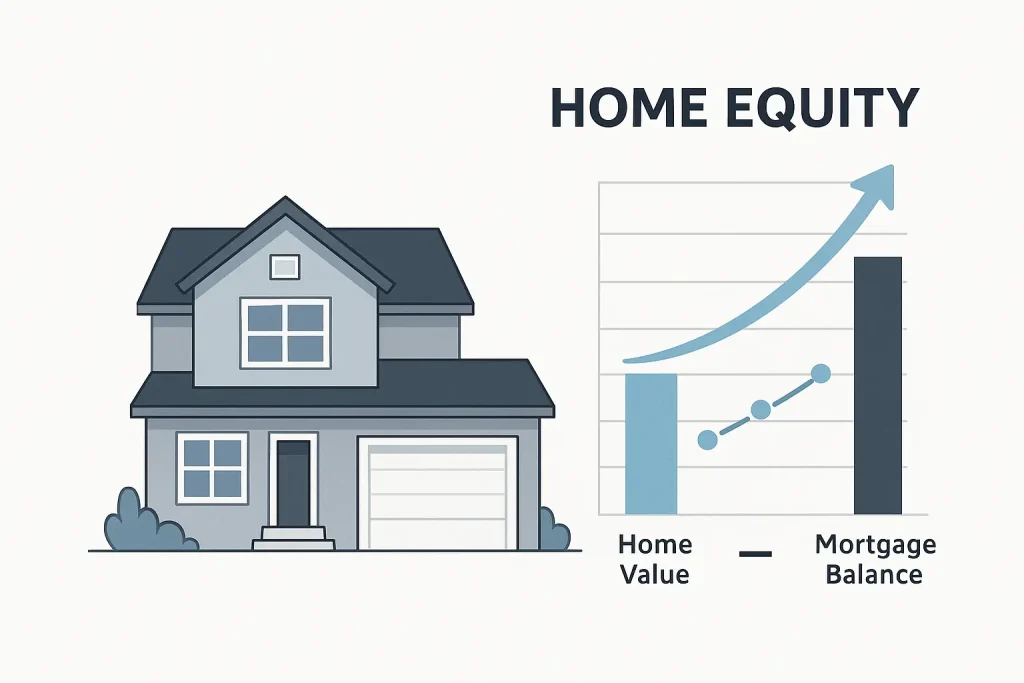
If you want a bigger-picture breakdown of how homeowners lose money when equity gets used the wrong way, my guide on home equity explains the traps most people never see coming.
When people ask me how a reverse mortgage works, I tell them this: imagine tapping into your home’s equity, but instead of unlocking wealth, you’re borrowing from your future. Sure, it can help some homeowners who are house rich but cash poor… but only if you understand how the fine print plays out over time.
In this guide, I’ll break down exactly how a reverse mortgage works, who it truly benefits, and the traps that banks rarely talk about because trust me, I’ve seen how these deals play out behind the curtain.
If you want to see the technical side of how reverse mortgages are structured, the Consumer Financial Protection Bureau has a straightforward breakdown of the official HECM program, which is the only reverse mortgage backed by the federal government.
But before you go thinking this is the easy way to retire comfortably, let’s strip away the sales pitch and talk about the real truth, the kind that doesn’t fit in a 30-second TV ad.
What a Reverse Mortgage Actually Is (No Banker Jargon)
So how does a reverse mortgage work in real life, not the polished version you see in ads?
At its core, a reverse mortgage lets homeowners aged 62 and older borrow money using the equity they’ve built in their home. But here’s the twist. Instead of you sending the bank a payment every month, the bank starts sending you the money.
Sounds nice, right? Until you realize the bank isn’t giving you free cash. They’re just lending you money that’s already yours, your equity, and charging you interest along the way.
Think of it like this. Every time the bank cuts you a check, your loan balance grows and your home equity shrinks. You’re basically trading ownership for income over time. And when you pass away or move out, the loan comes due, usually by selling the home to pay back what’s owed.
Most reverse mortgages today fall under a federal program called the Home Equity Conversion Mortgage or HECM. It’s insured by the Federal Housing Administration which adds a layer of protection for both borrowers and lenders. You can read more about the official FHA backed version straight from HUD.gov.
HECMs are the standard type of reverse mortgage meaning most big lenders follow the same federal rules. That includes limits on how much you can borrow, required counseling before signing, and protections that ensure you’ll never owe more than your home is worth even if the market tanks.
So to keep it simple, a reverse mortgage is still a loan. The difference is direction. You’re borrowing from your house instead of paying it down, and that small shift changes everything.
How the Money Flows and Why It’s Called Reverse

So how does the money actually move in a reverse mortgage?
It’s easier to understand once you flip the usual picture in your head.
With a regular mortgage, you borrow money from the bank to buy your house and spend decades paying them back. With a reverse mortgage, you already own the house, and now the bank slowly pays you back using the equity you’ve built.
Here’s what that looks like in practice.
- You own a home that’s mostly or fully paid off.
- You apply for a reverse mortgage and the lender approves a percentage of your home’s value as available equity.
- You start receiving payments from the lender. That can be a lump sum, monthly checks, or a line of credit you draw from as needed.
- Each month, interest and fees are added to the balance of what you owe.
- Over time, your loan balance grows while your home equity shrinks.
That’s why it’s called a “reverse” mortgage. The money flows in the opposite direction from what most people are used to.
What catches many homeowners off guard is that the loan keeps growing behind the scenes. Even though you’re not making monthly payments, interest compounds every single month. So the longer you live in the home, the less equity you’ll have left when it’s time to sell or pass the property down.
The loan usually gets repaid when one of three things happens.
You move out, sell the home, or pass away. The home is sold, the lender takes what’s owed, and anything left over goes to you or your heirs.
Reverse mortgages can absolutely help some people who want to stay in their homes longer, but understanding the cash flow is key. Once you realize it’s your own money being slowly handed back to you, the picture starts to look a lot clearer.
Who Qualifies and Who Doesn’t

Reverse mortgages aren’t for everyone. In fact, most people who ask how a reverse mortgage works don’t realize how specific the eligibility rules are until they start applying.
Here’s what really matters.
To qualify, you need to be at least 62 years old and the home must be your primary residence. That means you live there most of the year. It can’t be a vacation house, a rental property, or an Airbnb on the side.
You’ll also need to have a good chunk of equity built up. The more you own outright, the better your odds of approval and the more cash you can access. Most lenders want to see that you either own your home outright or have a low remaining mortgage balance that can be paid off when the reverse mortgage closes.
The property itself also has to meet certain standards. The home must be in decent condition and fall under an approved property type. Single family homes and some condos usually qualify, but manufactured homes can be trickier. The lender will send out an appraisal to confirm that the home’s value and safety meet FHA guidelines.
Here’s the part a lot of people miss. Even though you stop making monthly mortgage payments, you’re still responsible for ongoing costs like property taxes, homeowners insurance, and maintenance. If you fall behind on any of those, you can actually lose the home through foreclosure.
Before closing, you’ll also have to complete a counseling session from a HUD approved housing counselor. It’s not a test, but it’s designed to make sure you understand what you’re signing up for. The Department of Housing and Urban Development keeps a full list of certified agencies you can find at hud.gov/counseling.
Now, let’s talk about who doesn’t qualify. If you’re under 62, still making large mortgage payments, or your home is in poor condition, you’ll likely get denied. The same goes if you have federal tax liens or owe money to the government.
The Three Ways You Can Get Paid
Once you’ve been approved for a reverse mortgage, you’ll have to decide how you actually want to receive the money.
This is where most people get confused. The bank doesn’t just hand you a bag of cash and walk away. You get to choose how the payments come in, and each option affects your loan balance differently.
Here are the three main ways the money can flow to you.
1. Lump Sum
This option gives you all your available funds upfront. It’s one big payout at closing, usually with a fixed interest rate. It’s tempting because it feels like winning the lottery, but it’s also the fastest way to burn through your home equity. Once that money’s gone, it’s gone.
2. Monthly Payments
You can set it up like a steady income stream. The lender sends you a payment each month for as long as you live in the home. This setup is popular for retirees who want predictable income to cover living expenses. The downside is that the payments are smaller, but they last longer.
3. Line of Credit
This one gives you flexibility. Instead of taking the money all at once, you can pull from it whenever you need to. The unused balance can even grow over time, which surprises most people. It’s a smart move if you don’t need the cash right away but want access later for things like medical bills or emergencies.
Many homeowners choose a mix of these options, like taking a small lump sum upfront and keeping the rest as a line of credit. It all depends on your financial goals and how much home equity you’re starting with.
The key takeaway here is simple. Every dollar you withdraw adds to your loan balance, and every month that passes adds interest on top of that. The more you take now, the less you’ll have later when it’s time to sell or leave the home.
If you want to dig deeper into how these payout structures are calculated, the Federal Trade Commission has a great plain-language guide on reverse mortgage options at consumer.ftc.gov/articles/reverse-mortgages.
Understanding these payout choices upfront is what separates a smart decision from a costly mistake. You’re not just choosing how you get paid — you’re deciding how fast your equity disappears.
The truth is, reverse mortgages were built for a specific group of homeowners: older adults who have plenty of home equity but limited monthly income. If that sounds like you, it can be a useful tool. But if not, there are better ways to tap into your home’s value without draining your future wealth.
When and How It Gets Paid Back
Here’s where most people’s understanding of a reverse mortgage starts to fall apart.
Everyone loves the idea of the bank paying them every month, but few stop to ask the obvious question — when does the bank want its money back?
The short answer is when you’re no longer living in the home.
That can happen for a few reasons. Maybe you decide to sell and downsize. Maybe you move into assisted living. Or maybe you pass away and your heirs inherit the property. Either way, once the home is no longer your primary residence, the loan becomes due.
At that point, there are only a few ways the balance gets paid off.
- The home is sold. The sale proceeds pay off the reverse mortgage first, and any leftover equity goes to you or your estate.
- Your heirs refinance the loan. If your family wants to keep the property, they can take out a new mortgage to pay off the reverse mortgage balance.
- The lender sells the home. If no one steps in, the lender will sell the home to recover what’s owed.
Here’s the part that surprises people. You can never owe more than what the home is worth, even if the housing market drops. That’s because HECM loans are insured by the FHA under what’s called a “non-recourse” rule. It protects you and your heirs from being on the hook for anything beyond the home’s value. The official explanation of that safeguard is available on HUD.gov.
But keep this in mind. You’re still responsible for property taxes, homeowners insurance, and basic upkeep the entire time you live there. If you stop paying those or let the home fall into disrepair, the lender can call the loan early and start foreclosure proceedings. That’s the quiet fine print most commercials don’t mention.
When you finally move out or pass on, the clock starts ticking. Your estate or heirs typically have around six months to repay the loan or sell the home, although extensions are sometimes available through HUD.
So when you ask how a reverse mortgage works, the real answer is this. The money feels like income, but it’s really your own wealth being loaned back to you — and one day, the tab comes due.
The Hidden Costs and Fine Print
When you start digging into how a reverse mortgage works, the fees and fine print can hit you like a ton of bricks.
Sure, the commercials make it sound easy. No monthly payments, no stress, just free cash from your home. But every dollar that goes into your pocket comes with a price tag attached somewhere in the paperwork.
Here’s what most banks and lenders conveniently gloss over.
Upfront Fees
Before you even see a dime, there are upfront costs. You’ll usually pay an origination fee, mortgage insurance premiums, appraisal fees, and closing costs. According to the Federal Housing Administration, the initial mortgage insurance premium alone can be up to two percent of your home’s value. Add it all up and you could be looking at thousands of dollars in fees right out of the gate.
Compounding Interest
Reverse mortgages don’t have traditional monthly payments, but interest doesn’t disappear. It quietly piles up each month and compounds over time. The balance grows larger every year, eating into your equity faster than most people expect.
Ongoing Responsibilities
Even though you’ve “stopped paying your mortgage,” you’re still on the hook for property taxes, homeowners insurance, and basic upkeep. Miss any of those and the lender can declare the loan in default. It’s one of the most common ways people lose homes under reverse mortgage agreements.
The Counseling Session
You’ll also have to complete a mandatory session with a HUD approved counselor before closing. It’s not there to sell you on the loan; it’s there to make sure you fully understand the costs and risks before signing anything.
The truth is that the “no payment” slogan is technically correct but dangerously misleading. You’re not avoiding payments — you’re just letting them stack up for later.
When you see it through that lens, the picture changes. The bank isn’t paying you; it’s buying your equity over time. You just don’t realize it until the balance sheet catches up years later.
Reverse Mortgage Pros and Cons

By now you can probably tell a reverse mortgage isn’t the golden ticket the commercials make it out to be.
Still, it’s not all bad. For the right homeowner, it can actually make sense. The trick is knowing exactly what you’re trading in exchange for that “no payment” promise.
Here’s the real breakdown.
Pros
• No monthly mortgage payments
Once the reverse mortgage kicks in, you don’t have to send in a check each month. That’s the whole draw. It can free up your budget and make retirement a little less stressful.
• Turn home equity into cash
If most of your wealth is locked inside your home, this lets you access it without selling the property. You can use the money for anything — living expenses, healthcare, or even paying off other debts.
• You keep the title
Contrary to what some people think, the bank doesn’t take ownership of your home. You stay on the title as long as you live there and meet the loan conditions.
• FHA insurance protection
The HECM program is insured by the Federal Housing Administration. That means you or your heirs will never owe more than what the home is worth when it’s sold, even if the market drops.
• Flexible payout options
You can choose between a lump sum, monthly payments, or a line of credit. Some people even mix them for flexibility.
Cons
• High upfront costs
Between closing fees, mortgage insurance, and lender charges, getting one can be expensive. These fees are usually rolled into the loan, so you don’t feel them immediately — but they still eat into your equity.
• Shrinking inheritance
Every dollar you borrow now is one less dollar your heirs will see later. If your home is your main legacy, that matters.
• Ongoing obligations
You still have to pay property taxes, insurance, and maintenance. Miss them, and you can face foreclosure even without missing a “payment.”
• Interest snowball effect
Because you’re not paying down the loan, interest compounds over time. That’s how your balance quietly doubles or even triples over a couple of decades.
• Possible impact on benefits
If you’re receiving certain need-based government benefits like Medicaid, the extra income could affect your eligibility.
The bottom line is simple. A reverse mortgage can help the right homeowner stay in their house longer, but it can quietly erode wealth if used carelessly. It’s not just about what you gain today, it’s about what you’ll have left tomorrow.
If you still think a reverse mortgage might be right for you, don’t rely on the commercials. Sit down with a HUD approved counselor or financial advisor and run the numbers side by side with other options like a home equity loan or a cash-out refinance.
Real Example: How It Plays Out Over Time

Sometimes the best way to understand how a reverse mortgage works is to see the numbers in motion.
Imagine you’re 70 and own a $400,000 home that’s paid off. You take out a reverse mortgage for $200,000 at a 5 percent interest rate. You pull $100,000 upfront and keep the rest as a line of credit.
Ten years later, the balance has grown to about $325,000. Your home might be worth $475,000 by then, leaving around $150,000 in equity. Stay another five years, and the balance could climb past $400,000, shrinking your ownership even more.
When you move out or pass away, the home is sold. The lender takes what’s owed, and whatever is left goes to you or your heirs. If the house sells for less than the balance, FHA insurance covers the difference.
You can test your own scenario using the calculator from the Lending Tree. It’s a good way to see how the balance grows over time before signing anything.
The big takeaway is simple. A reverse mortgage can free up cash today, but it quietly eats into tomorrow’s wealth.
When a Reverse Mortgage Makes Sense and When It Doesn’t
A reverse mortgage can be a smart move for some homeowners but a financial trap for others. The key is knowing which side of that line you fall on.
When it makes sense
It can work well if you’re 62 or older, plan to stay in your home long term, and have a lot of equity but limited income. It’s especially helpful for retirees who want to supplement Social Security or cover rising costs without selling their house.
It also makes sense if you don’t have heirs who plan to keep the home. In that case, using the equity for living expenses instead of leaving it locked away can be a practical tradeoff.
Another good use is paying off an existing mortgage to eliminate monthly payments entirely. Some homeowners do this to stretch their retirement savings further.
When it doesn’t
If you plan to move in a few years, it’s usually not worth it. The upfront costs can eat away at your short term benefit.
It’s also not ideal if you want to leave the house to your kids free and clear. The loan balance will keep growing, and there’s a good chance the home will need to be sold later to repay the debt.
If you’re struggling to keep up with taxes, insurance, or maintenance now, a reverse mortgage can make that worse, not better. Missing any of those can still lead to foreclosure.
Finally, if you’re mainly looking for quick cash, there are usually better options. A home equity loan or HELOC might give you the money you need with lower fees and more
flexibility.

The truth is simple. A reverse mortgage can be a tool or a trap depending on your situation. It’s not a one size fits all retirement plan. It’s a loan that trades future equity for present comfort
What You Should Remember Before Signing

A reverse mortgage isn’t free money. It’s your money, just loaned back to you with interest.
For some homeowners, it can ease financial pressure and keep them in their homes longer. For others, it quietly drains the equity they spent decades building.
The truth is simple. The bank always gets paid, one way or another.
Before signing anything, run the numbers, talk to a HUD approved counselor, and make sure this loan works for you, not just for the lender.